

L-Threonine
About L-Threonine
L-threonine is classified as an essential amino acid. Humans do not synthesize L-threonine, so it must be obtained through the diet. The male adult’s daily requirement is 7 mg per kg of body weight. Most people will get sufficient L-threonine through the diet, but as threonine content in grains is low, vegetarians are more likely than others to have deficiencies and should consider supplementation.
Uses/Benefits
L-threonine is a key component of collagen, elastin and enamel proteins. It aids in proper fat metabolism in the liver; nutrients are more readily absorbed when threonine is present. L-threonine also helps the digestive and intestinal tracts function more smoothly. Experts believe that L-threonine enhances the immune system by aiding in the production of antibodies.
Manufacturing
L-threonine is manufactured by fermentation from carbohydrate sources. Ajinomoto uses vegetables as the raw material for the fermentation process. L-threonine is manufactured under strict cGMP conditions. No materials of animal origin are used in the production of L-threonine. L-threonine meets USP, EP and JP specifications and has a Drug Master File on record at the FDA.
|
Abbreviation:
| L-Thr |
|
CAS Number:
| 72-19-5 |
|
Conforms To:
| JP, USP, EP |
|
Chemical Name:
| (2S,3R)-2-Amino-3 -hydroxybutanoic Acid |
|
Chemical Formula:
| C4H9NO3 |
|
Molecular Weight:
| 119.1200 |
|
Nitrogen Content:
| 0.1176 |
|
Assay:
| 99.0 to 101.0% |
|
Solubility:
| Soluble in water |
|
Description:
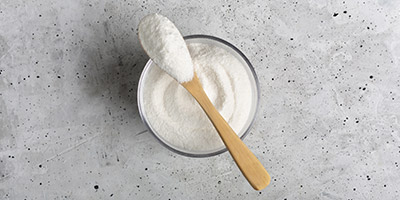
| White crystals or crystalline powder; slightly sweet taste |
Copyright © 1996-
AJINOMOTO Co., Inc.