

L-Leucine

About L-Leucine

L-leucine is an essential amino acid, which means the body does not manufacture L-leucine, and it must be acquired through diet or supplementation. The male adult’s daily requirement is 14 mg per kg of body weight. It is one of the branched chain amino acids, along with L-isoleucine and L-valine. Supplementation should be combined with the other two branched chains. Food sources for L-leucine are meat, almonds, cashews, eggs, fish, chicken, lentils and liver.

Uses/Benefits

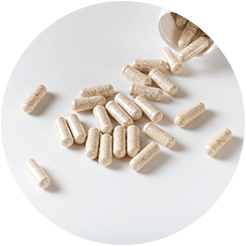
L-leucine is used for parenteral and enteral nutrition. It is used in combination with the other branched chain amino acids for patients with hepatic diseases to improve nutritional status. BCAAs serve as important fuel sources for skeletal muscle during periods of metabolic stress. BCAAs are an important component of sports nutrition and health foods, as they increase energy, enhance endurance and aid in muscle recovery. L-leucine is also used as a flavoring substance and as a lubricant for tablet production.

Manufacturing

L-leucine is produced via fermentation from carbohydrate sources. Ajinomoto manufactures L-leucine under cGMP conditions. L-leucine is 100% free of materials of animal origin, as are all Ajinomoto amino acids. A Drug Master File for L-leucine is on file at the FDA. L-leucine meets USP, EP and JP standards.

Leucine

Abbreviation: L-Lue
CAS Number: 61-90-5
Conforms To: JP, USP, EP
Chemical Name: (2S)-2-Amino-4 -methylpentanoic Acid
Chemical Formula: C6H13NO2
Molecular Weight: 131.1700
Nitrogen Content: 0.1068
Assay: 98.5 to 101.0%
Solubility: Sparingly soluble in water
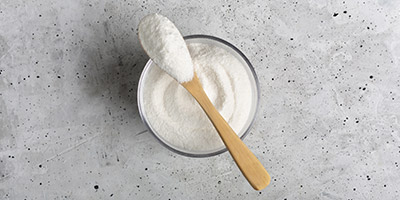
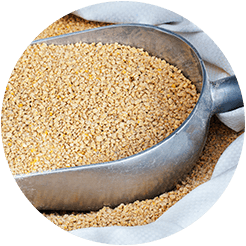
Description: White crystals or crystalline powder; slightly bitter taste


Action bulkAction small