

L-Isoleucine

About L-Isoleucine

L-isoleucine is one of the branched chain amino acids (L-isoleucine, L-valine, and L-leucine) and is classified as an essential amino acid. This means the body cannot manufacture L-isoleucine; it must be acquired through diet or supplementation. The male adult’s daily requirement is 10 mg per kg of body weight. Food sources for isoleucine include almonds, cashews and soy protein.

Uses/Benefits

L-isoleucine is commonly used in parenteral and enteral nutrition. It is used in combination with the other branched chain amino acids to improve the nutritional status of patients with hepatic diseases. BCAAs serve as important fuel sources for skeletal muscle during periods of metabolic stress; BCAAs may promote protein synthesis, suppress protein catabolism and serve as substrates for gluconeogenesis. BCAAs are catabolized in skeletal muscle, stimulating the production of L-alanine and L-glutamine, among other substances.

Manufacturing

L-isoleucine is manufactured by fermentation from carbohydrate sources. Ajinomoto manufactures L-isoleucine under cGMP conditions; no raw materials of animal origin are used in the production process. A Drug Master File for L-isoleucine is on file at the FDA. L-isoleucine meets USP, EP and JP standards.

L Isoleucine

Abbreviation: L-Ile
CAS Number: 73-32-5
Conforms To: JP, USP, EP
Chemical Name: (2S, 3S)-2-Amino-3 -methylpentanoic Acid
Chemical Formula: C6H13NO2
Molecular Weight: 131.1700
Nitrogen Content: 0.1068
Assay: 98.5 to 101.0%
Solubility: Sparingly soluble in water
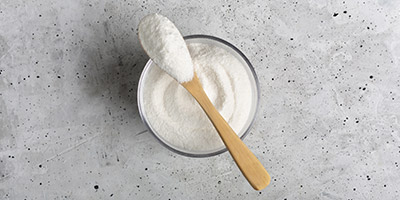
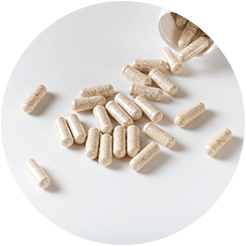
Description: White crystals or crystalline powder; slightly bitter taste


Action bulkAction small