

L-Glutamic Acid

About L-Glutamic Acid

L-glutamic acid is classified as a nonessential amino acid.

Uses/Benefits

L-glutamic acid may help nerve cells send and receive information from other cells. It is being studied for its ability to decrease or prevent nerve damage caused by anticancer drugs. L-glutamic acid is used as a component of parenteral and enteral nutrition. The sodium salt is used in large quantities as a seasoning characterized by its savory, “umami” taste. L-glutamic acid has the greatest demand of any single amino acid, exceeding 1.5 million tons per year on a global basis.

Manufacturing

L-glutamic acid is manufactured by fermentation from carbohydrate sources. Ajinomoto manufactures L-glutamic acid under cGMP conditions. Carbohydrates are used as the raw material; no materials of animal origin are used in the manufacturing process. A Drug Master File for L-glutamic acid is on record at the FDA. L-glutamic acid meets EP standards.

L Glutamic Acid

Abbreviation: L-Glu
CAS Number: 56-86-0
Conforms To: EP
Chemical Name: (S)-2-Aminoglutaric Acid
Chemical Formula: C5H9NO4
Molecular Weight: 147.1300
Nitrogen Content: 0.0952
Assay: 98.5% to 100.5%
Solubility: Slightly soluble in water
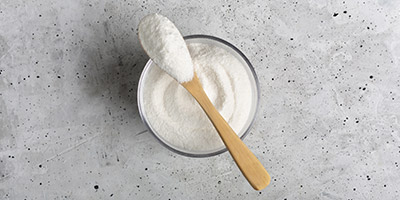
Description: White crystals or crystalline powder, slightly characteristic


Action bulkAction small