

L-Cysteine
About L-Cysteine
L-cysteine is recognized as a conditionally essential amino acid. Under normal physiologic conditions, the body can produce sufficient levels of L-cysteine. However, preterm infants cannot synthesize L-cysteine in the body; therefore it must be obtained via the diet.
Uses/Benefits
The primary role of L-cysteine is in the production of important antioxidants such as glutathione. L-cysteine serves as precursors for synthesis of proteins, glutathione, taurine and coenzyme A. Pharmaceutical uses include improvement of hepatic function and pigmentation. The acetyl, ethyl ester and carboxymethyl derivatives are used in agents for dissolving air passage mucosa (expectorant).
Manufacturing
L-cysteine is manufactured by the electrolytic reduction method using l-cystine as the starting materials. L-cysteine is manufactured under cGMP conditions. No materials of animal origin are used in the manufacturing process. A Drug Master File for L-cysteine is on record at the FDA. L-cysteine meets DAB pharmacopeias standards.
|
Abbreviation:
| L-Cys |
|
CAS Number:
| 52-90-4 |
|
Conforms To:
| DAB |
|
Chemical Name:
| (R)-2-Amino-3 -mercaptopropionic Acid |
|
Chemical Formula:
| C3H7NO2S |
|
Molecular Weight:
| 121.1600 |
|
Nitrogen Content:
| 0.1156 |
|
Assay:
| 98.0 to 101.0% |
|
Solubility:
| Freely soluble in water |
|
Description:
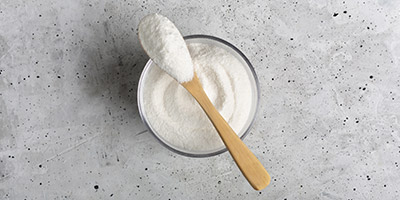
| White crystals or crystalline powder; characteristic taste |
Copyright © 1996-
AJINOMOTO Co., Inc.