

Glycine

About Glycine

Glycine is a nonessential amino acid. It is the only amino acid that does not form an L or D optical rotation. Glycine is the simplest amino acid and is found in the protein of all life forms.

Uses/Benefits

Glycine is used in the pharmaceutical field as a component of drugs for dermatological use, specifically for eczema and dermatitis. In nutrition, glycine is used as a component for parenteral and enteral nutrition. Glycine is of major importance in the synthesis of proteins, peptides, purines, nucleic acids and other amino acids. Glycine is also a neurotransmitter in the central nervous system. It is believed that glycine may be a novel antioxidant.

Manufacturing

Glycine is manufactured by chemical synthesis from formaldehyde or monochloroacetic acid and ammonia. Glycine is manufactured under cGMP conditions. No raw materials of animal origin are used in the production of glycine. Glycine from Ajinomoto has a Drug Master File on record at the FDA.

Glycine

Abbreviation: Gly
CAS Number: 56-40-6
Conforms To: JP, USP, EP
Chemical Name: Aminoacetic Acid
Chemical Formula: C2H5NO2
Molecular Weight: 75.0700
Nitrogen Content: 0.1866
Assay: 98.5 to 101.0%
Solubility: Freely soluble in water
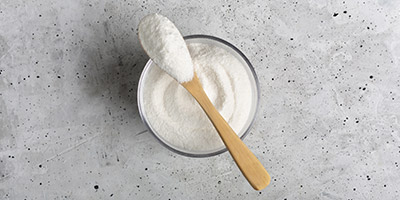
Description: White crystals or crystalline powder; sweet taste


Action bulkAction small